


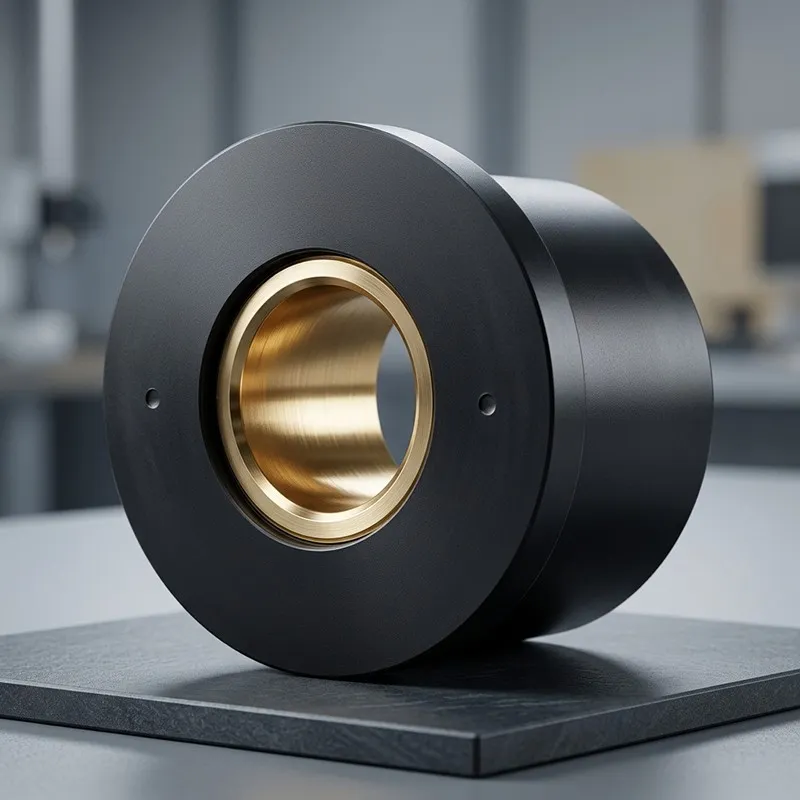
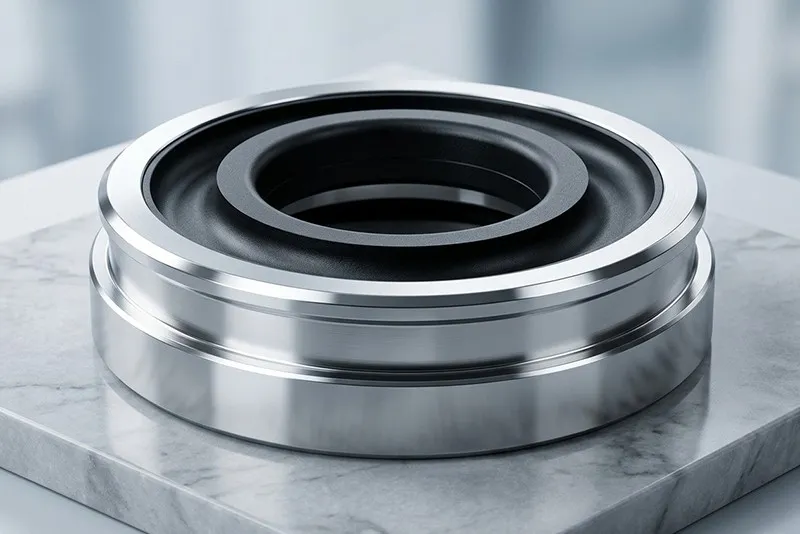
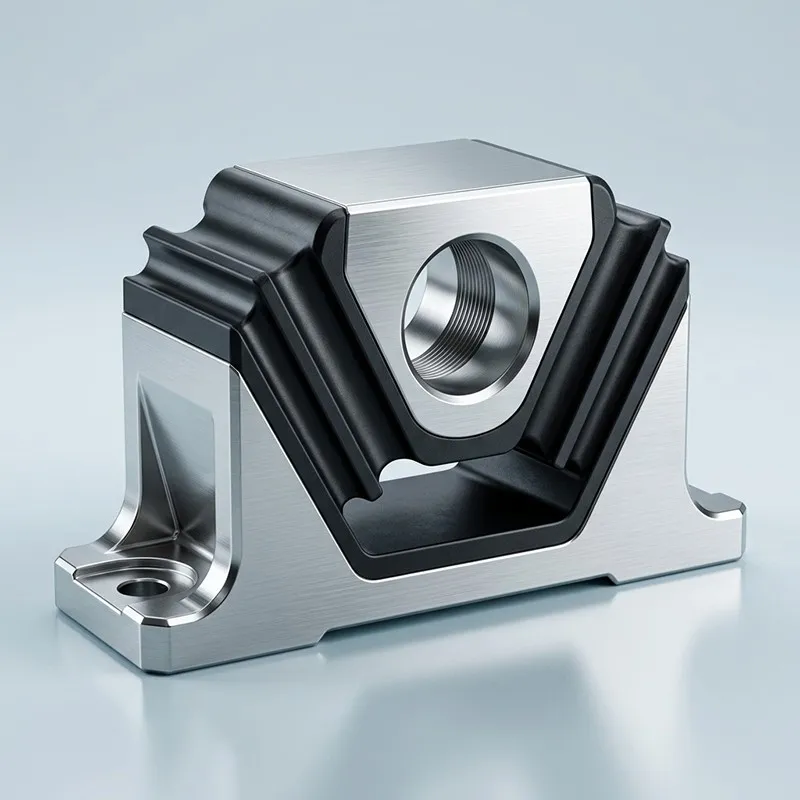
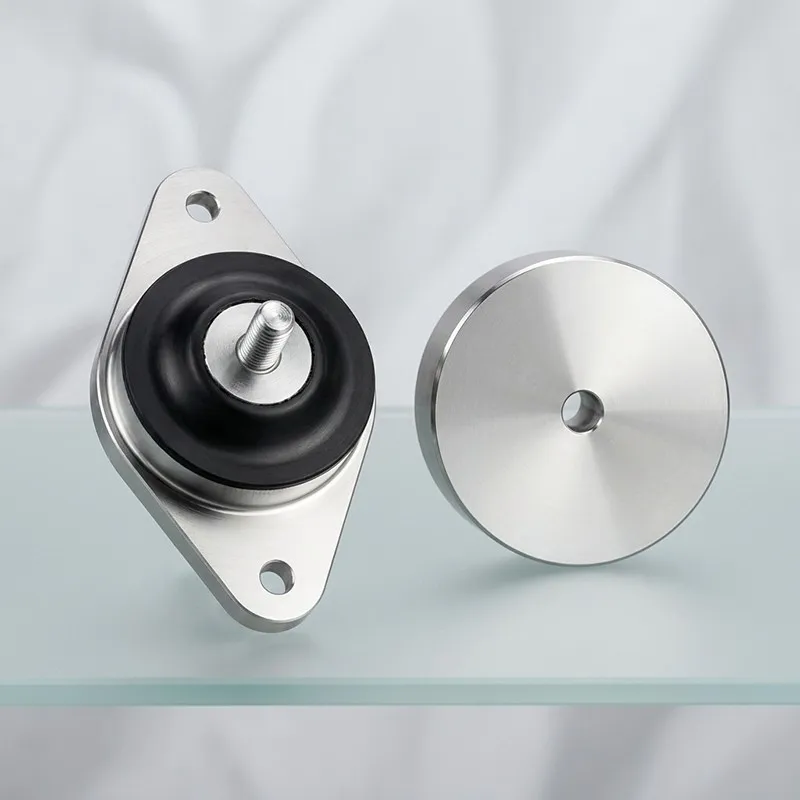
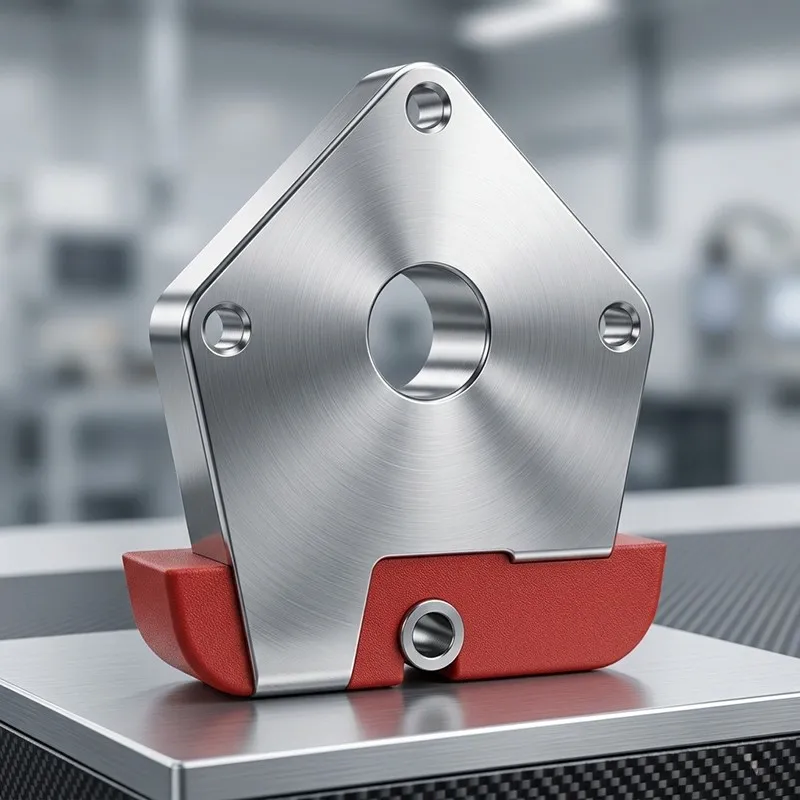
Low Temperature Resistant Damper
Tianjin TGE BIAM Graphene Technology Co., Ltd. is one of the most reliable manufacturers and suppliers of low temperature resistant damper in China. Welcome to buy bulk durable low temperature resistant damper in stock here from our factory. If you have any enquiry about customized service and quotation, please feel free to email us.
Product Introduction
When ambient temperatures drop below -40°C, most rubber materials approach their glass transition, becoming rigid and losing all damping capability-a critical hazard for Arctic machinery, cold storage logistics, and aerospace actuators. Our Low Temperature Resistant Damper utilizes specially formulated natural rubber, silicone or low-acrylonitrile NBR compounds that maintain elastomeric flexibility and consistent damping down to -50°C, ensuring reliable vibration isolation in extreme cold environments.

Introduction to Performance
Key performance indicators include glass transition temperature (Tg) below -60°C as measured by DSC. Dynamic stiffness shift from +20°C to -50°C is limited, preserving isolation performance. Hardness typically ranges from 35 to 65 Shore A, and the material remains resilient even after prolonged cold soak, verified through low-temperature compression set testing per ISO 815.
Introduction to Processing Techniques and Materials
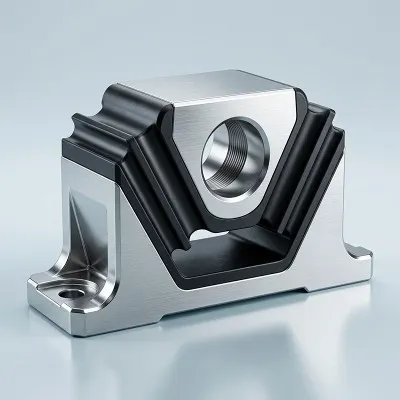
Low Temperature Resistant Damper: We mold these dampers using either high-consistency natural rubber or silicone rubber with carefully engineered filler systems, or low-temperature nitrile grades manufactured with a proprietary ingredient that avoids migration. The critical bonding process employs primer and adhesive systems rated for cryogenic service to prevent bond line embrittlement.
Typical Applications
Low Temperature Resistant Dampers can be deployed in polar exploration vehicles, refrigerated warehouse conveyor systems, aerospace instrumentation mounts, and rail coupler buffers operating in extreme cold winter conditions. Also suitable for LNG carrier pump motor dampers.

Advantages
We validate prototype parts with DSC measurements. From material selection, strict rubber mixing and molding to final inspection, we guarantee that our damper products leave our facility with documented QC records and consistent low-temperature performance.

FAQ
Q: What is your MOQ? Can I mix different styles to a start order?
A: The MOQ of PO is usually 100pcs, however it depends – it can be less than 100 pcs in some special cases. We can have a meeting to clarify if you need.
Q: Have your products been exported?
A: Yes, they have been exported to France, Italy, North Macedonia, Spain, India.
Hot Tags: low temperature resistant damper, China low temperature resistant damper manufacturers, suppliers, factory
You Might Also Like


Send Inquiry