


Understanding TR10: The Most Critical Indicator For Low-Temperature Sealing Recovery
Jul 21, 2026
Leave a message

Understanding TR10: The Most Critical Indicator for Low-Temperature Sealing Recovery
Series on Low Temperature Rubber Performance for industrial sealing applications.
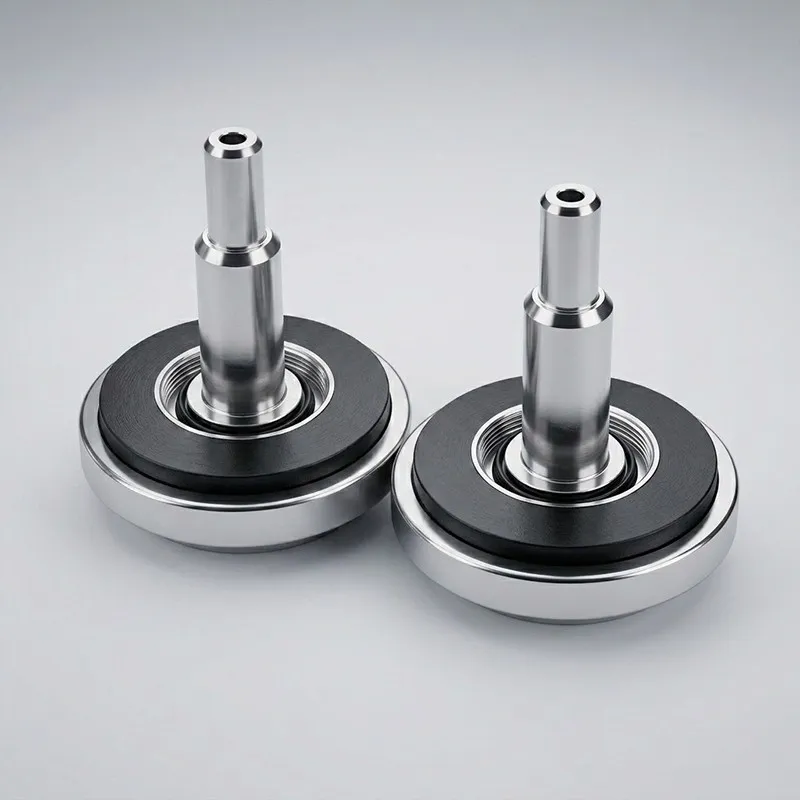
low-temperature seal failure remains one of the most common causes of leakage, increased maintenance costs, and safety risks in cold climate operations. yet many material selection decisions are still based on generic datasheet values or single temperature ratings that do not reflect real-world performance.
Welcome to our three-part technical series on Low Temperature Rubber Performance for industrial sealing applications. This series is written specifically for purchasing engineers, sealing design engineers, and technical professionals working with railway braking systems, pneumatic control valves, and metal-bonded valve cores.
Understanding TR10: The Most Critical Indicator for Low-Temperature Sealing Recovery
Why TR10 Matters More Than You Think
In the first article of this series, we examined Glass Transition Temperature (Tg) and its role in understanding low-temperature rubber behavior. While Tg describes molecular-level changes, experienced sealing engineers know that TR10 (Temperature Retraction at 10%) often provides a more accurate prediction of real-world sealing performance in low-temperature environments.
For valve cores in railway braking systems and pneumatic control valves operating in extreme cold, the ability of rubber to recover its shape after compression is what ultimately prevents leakage. This is precisely what TR10 measures.
What Is TR10?
TR10 stands for Temperature Retraction at 10%. The test method (typically ASTM D1329 or ISO 2921) involves:
- Stretching a rubber specimen to a specified elongation (usually 50% or 100%)
- Freezing the stretched specimen at low temperature until it becomes rigid
- Allowing the specimen to warm gradually while measuring retraction
- Recording the temperature at which the specimen recovers 10% of its original deformation
Unlike Tg, which measures a thermal transition in the material, TR10 directly reflects the rubber's ability to recover its elasticity after low-temperature deformation. For sealing applications, this parameter often correlates much better with actual field performance.
Tg vs TR10: Which Indicator Is More Useful?
Both parameters describe low-temperature behavior, but they serve different purposes. Understanding the difference is crucial for proper material selection:
Key Differences Between Tg and TR10
- Tg indicates molecular transition; TR10 measures practical elastic recovery
- Tg is a laboratory thermal measurement; TR10 simulates actual sealing deformation conditions
- Tg has moderate value for sealing design; TR10 has high direct application value
- Tg appears sometimes in generic material data sheets; TR10 appears frequently in sealing-specific specifications
In many valve core applications, engineers prioritize TR10 because sealing reliability depends on the rubber's ability to recover after compression rather than simply remaining above its glass transition temperature. A material might be above Tg but still recover too slowly to maintain sealing force under dynamic conditions.
Interpreting the Values
A lower Tg means the rubber remains flexible at colder temperatures, while a lower TR10 indicates faster elastic recovery after deformation. Together, these properties help maintain sealing force, reduce leakage risk, and improve valve reliability during winter operation.
Typical TR10 Values and Material Comparison
|
Material |
Typical Tg |
Typical TR10 |
Oil Resistance |
Cost |
|
Standard NBR |
-25 to -40°C |
-20 to -35°C |
Excellent |
Low |
|
TGE Optimized Low-Temperature NBR |
-60°C |
-50°C |
Excellent |
Medium |
|
Standard HNBR |
-35 to -45°C |
-30 to -40°C |
Excellent |
High |
|
Standard EPDM |
-55°C |
-50°C |
Poor |
Medium |
|
Standard FKM |
-10°C |
-5°C |
Excellent |
Very High |
Note that TR10 values are typically higher (warmer) than Tg values for the same compound. This is expected and normal-a material may begin to transition at Tg but require warmer temperatures to achieve meaningful elastic recovery.
Why TR10 Is Critical for Valve Core Applications
Metal-bonded valve cores in railway pneumatic systems experience specific conditions that make TR10 especially relevant:
- Seals remain compressed for extended periods at low temperatures
- Pressure cycling requires repeated sealing and recovery
- Dynamic valve movement demands immediate elastic response
- System safety depends on zero-leakage performance even at -40°C and below
When a seal is compressed at low temperature, it needs to "push back" against the mating surface to maintain sealing force. If recovery is too slow (indicated by high TR10), the seal will not follow surface irregularities or compensate for pressure changes, resulting in leakage.
Formulation Advances: Pushing TR10 Lower in NBR
Standard NBR compounds typically have TR10 values in the -20°C to -35°C range, leading many engineers to specify more expensive polymers for extreme cold service. However, advanced compounding technology has changed this paradigm.
At TGE, we have developed optimized low-temperature NBR formulations that achieve TR10 values below -50°C while maintaining:
- Excellent oil resistance (critical for pneumatic systems with lubricants)
- Good compression set properties
- Strong rubber-to-metal bonding adhesion
- Consistent performance through thousands of pressure cycles
Engineering Case Study: -40°C Railway Application
A European customer developing pneumatic valve components for railway applications required reliable sealing at temperatures approaching −40°C. The engineering team initially considered switching to more expensive specialty elastomers, which would have increased component costs by over 200%.
Instead, our engineering team optimized the NBR formulation to improve low-temperature flexibility while maintaining excellent oil resistance and metal bonding performance. The resulting compound achieved:
- Tg below −60°C
- TR10 below −50°C
- Stable compression recovery after repeated thermal cycling
- Reliable performance throughout product validation testing
This solution provided the required low-temperature performance at a fraction of the cost of alternative polymers, while maintaining the proven manufacturing and bonding advantages of NBR.
How to Specify TR10 in Your Purchasing Documents
To ensure you receive compounds with proper low-temperature recovery, include these requirements in your specifications:
- Specify TR10 maximum value (e.g., TR10 ≤ -45°C) according to your minimum operating temperature
- Reference the test standard: ASTM D1329 or ISO 2921, Method A (liquid immersion)
- Require TR10 testing after heat aging and fluid exposure, not just on original compounds
- Request correlation data between TR10 and actual pressure testing at low temperature
Conclusion
TR10 is the most practically relevant low-temperature indicator for sealing applications because it directly measures elastic recovery after deformation-the exact property that maintains sealing force. While Tg provides useful theoretical background, TR10 should be your primary specification parameter for low-temperature sealing performance.
In the final article of this series, we will examine Low Temperature Brittleness and its role in preventing catastrophic seal failure during handling, installation, and extreme cold events.
Looking for rubber-metal bonded valve cores with proven low-temperature recovery performance? Our engineering team supports material selection based on operating temperature, sealing media, and service life requirements. We provide custom rubber formulations, validated bonding processes, and consistent production quality to help our customers improve equipment reliability in demanding applications. Click here to contact us
Send Inquiry